
By Jasmine and Dorianne Butler, Edited by Nia Sutton McDonald and Eden Desta
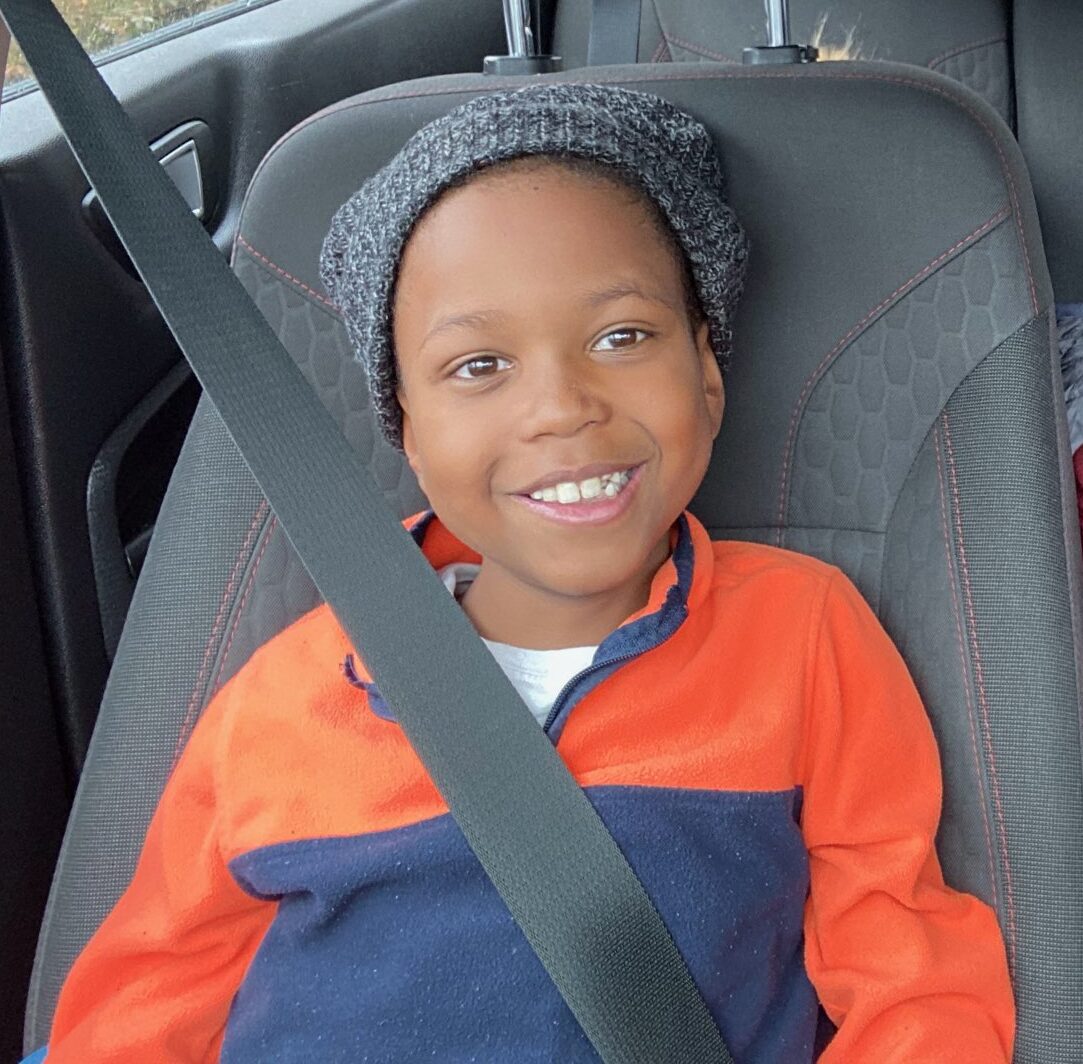
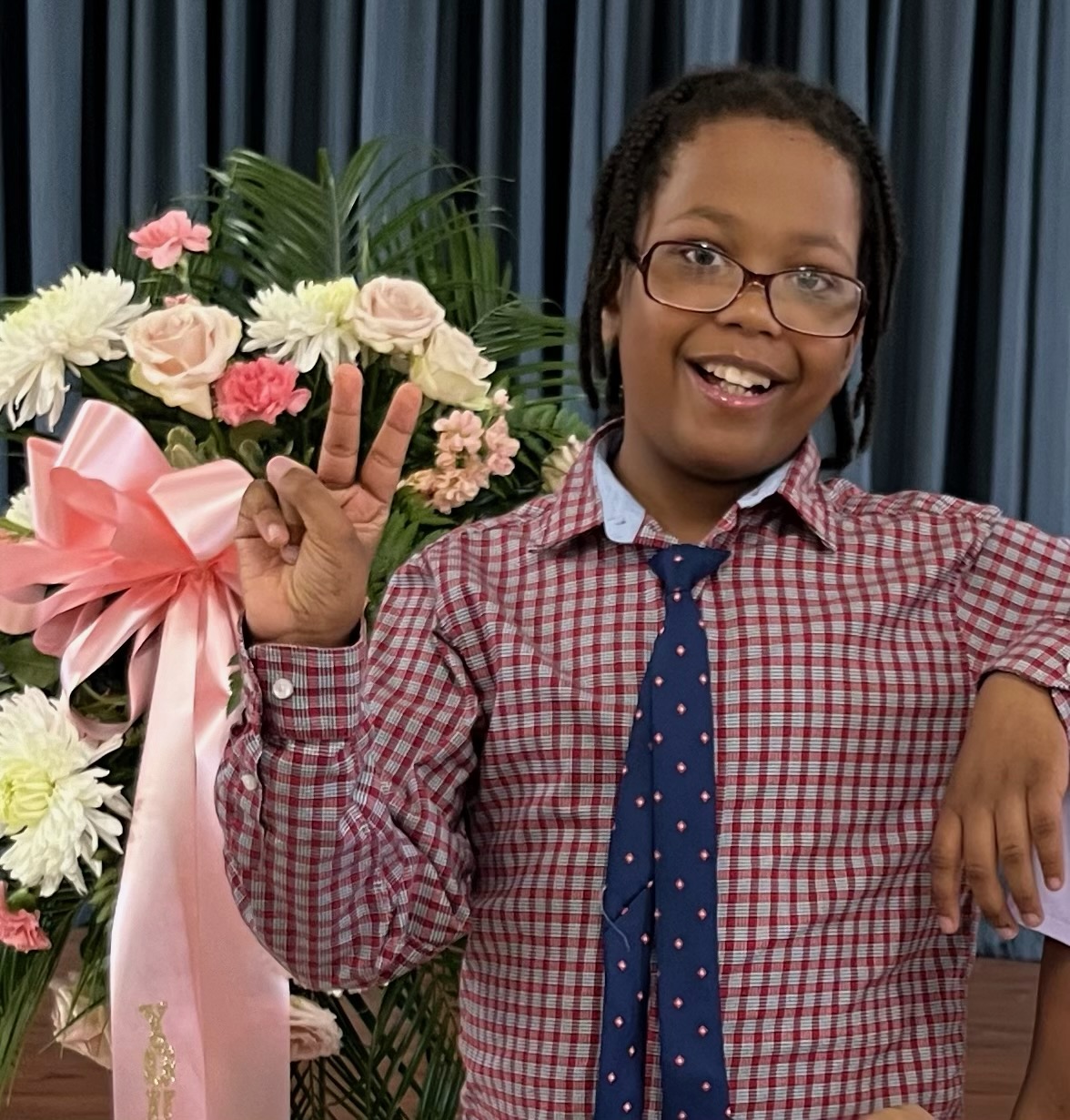
Ta’Ziyah (Ty) Butler is 15 years old. He is a high school sophomore, a big brother to a baby sister named Aera, and a kid with a passion for coding and game development. He was also born with Hypoplastic Left Heart Syndrome (HLHS), a rare congenital heart defect in which the left side of the heart is severely underdeveloped. HLHS affects roughly 1,000 babies born in the United States each year and requires surgical intervention to survive.1
His mother, Jasmine Butler, was 14 years old when she received his diagnosis. His grandmother, Dorianne Butler, was beside her. Dorianne serves as Operations Coordinator at AMCHP, where she supports the organization’s work to improve the health of mothers, children, youth, and families. Her grandson’s journey is part of what brought her to this work, and part of what she carries with her in it.
This story is also part of a broader effort. AMCHP is currently working to improve outcomes for families affected by Critical Congenital Heart Defects (CCHD), including conditions like HLHS that are often caught through prenatal screening. A big part of that work is making sure detection and healthcare coordination actually reach all families, especially those who face additional challenges getting the care they need.
AMCHP is privileged to share this family’s story, told in two voices: Jasmine’s, captured in a recorded interview, and Dorianne’s, written as a personal essay. We share stories like this to elevate the experiences of families navigating complex health journeys, inform the work of maternal and child health (MCH) professionals and advocates, and reflect what is at stake when public health systems show up for families, and when they don’t.
Disclaimer: The views and experiences expressed in this blog post are those of the contributors and do not represent the official positions or policies of AMCHP.
The diagnosis
Jasmine:
Jasmine learned about Ty’s condition during a routine prenatal ultrasound at around 20 weeks. A pocket of fluid near the back of her baby’s neck prompted genetic testing, and that test revealed that his heart had not developed normally. A prenatal cardiologist, Dr. Mary T Donofrio, was brought in to lead her care.
Dorianne: It has been almost 15 years since we were told of my grandson Ta’Ziyah’s diagnosis. I still get very emotional speaking about this.
I remember my daughter, Jasmine, was referred to Children’s National Medical Center for further testing after a scan revealed a light-colored spot on her unborn baby’s heart. After more tests, we were guided to a room filled with diagrams of the human heart. As we sat there, I was not sure what the final diagnosis would be. Looking around at the different heart diagrams, I knew it was something serious. I wanted to cry, but I also had to be strong for my daughter. I looked at Jasmine, who looked so young and emotional. I had to be strong for her, no matter what. I had to support her as she was about to receive difficult news about the baby she was carrying.
Before these tests, I had a vision that helped prepare me for whatever we were about to hear. My vision was a baby on the examining table with three doctors on each side of the table. I immediately woke up and I knew something was wrong with her baby, and I never told my daughter this vision until after her baby was delivered.
I looked at Jasmine’s face; she was not sure what was going on. I had to be strong for her. It was not easy holding back my tears when the doctor came back into the room and explained that the baby had Hypoplastic Left Heart Syndrome (HLHS), a rare congenital heart defect. She said he would need multiple heart surgeries, countless pediatric appointments, and medications for the rest of his life. She explained that the cause of HLHS is unknown and asked if we were prepared to manage something like this. We were also told that many babies born with this condition do not survive days after birth. There were other parents with children who had this defect, but we could not speak to them due to confidentiality. We had some decisions to make. We agreed to move forward with the birth, knowing that even if this child lived for only a day or two, we would love him and give him a chance to fight.
We were handed a book on HLHS to take home with us. Jasmine was emotional, unsure what all of this entailed. She was crying as we headed home, and we were both silent for a while, trying to take in the news that was given to us. Jasmine, being a teen mom, knew it would be difficult, and receiving news that the baby she is carrying may not live after birth was a lot to take in at such a young age.
Finding and advocating for support
Dorianne: I did extensive research on services in our county to find assistance for my daughter. It took a lot of time to reach the right organization. I spoke with many different groups, sharing our story and explaining that we needed all the help we could get, so that she can be a good mother and have the tools needed. We wanted to ensure she was eating healthily, had access to services for first-time mothers, and received the educational support she needed to become the best mother for her baby.
We were eventually able to enroll in a program for teen mothers called Family Foremost, which included GED classes and Prenatal Parenting Education. A nurse would stop by our home to provide educational materials and show her how to care for her baby. As for the recent diagnosis of HLHS, we did not receive any specific resources to help us prepare for a baby with that condition. We simply continued with the services the county provided until her child was born. Those programs were invaluable in helping her become the amazing mother she is today. During this time, I attended all her prenatal appointments and any additional testing needed for the baby.
I do not recall any specific support offered to me as a grandparent or as the parent of a teen mother with a child who has special health care needs. I did some research on my own to better understand this complex heart defect, but we were completely clueless about how to navigate it all. I truly wish we had been given resources and support, especially the opportunity to speak with other families who had gone through a similar experience.
Jasmine:
Children’s National provided the family with a color-coded care binder covering his diagnosis, his doctors, and what to watch for, a resource Jasmine still has today. They also introduced her to CaringBridge, a platform where families can keep an open journal for loved ones to follow. She and Dorianne kept it updated for nearly a decade.
Dorianne: I became the primary advocate for my family, a role I had to take on many times throughout this journey. My mission was to remove barriers and create a path for my daughter and grandson to succeed. My advocacy started with securing the necessary services. I was determined to find the right support for my daughter, not only during her pregnancy but also in the challenging years that followed. Her education was a top priority. I tirelessly searched for county programs and resources to ensure she could finish high school and earn her GED. Daycare was not an option, due to the costs and many providers not wanting to care for a special needs child. We were turned away. This was a non-negotiable goal for me, knowing that a diploma would open doors for her future.
Beyond that, I focused on my grandson’s well-being. I researched programs that would support his growth and development, making sure he had opportunities to socialize with other children. Every step of the way, I was the one making the phone calls, filling out the paperwork, and fighting to ensure my family received the help they deserved. We were grateful for the county’s support in providing services that improved the overall well-being of my daughter and grandson. These resources were beneficial for her as a new teen mother. However, there were no specific services or resources offered to a teen mom with a child who has special health care needs like HLHS. This left us feeling isolated and without the targeted support we desperately needed to prepare for the medical complexities that lay ahead.
The treatment process
Jasmine:
Ty underwent three open-heart surgeries to redirect blood flow through his heart at Children’s National. After the first, he spent two and a half months in the hospital, followed by frequent returns for complications. He lost developmental milestones during long hospital stays and needed physical and speech therapy to recover them each time.
The family learned quickly that not every hospital was equipped for a child like Ty. When emergencies required the nearest facility rather than Children’s National, the gaps in familiarity with his condition were frightening. The contrast shaped her understanding of what families navigating heart conditions truly need: specialized, reliable care.
A message for policymakers and providers
Jasmine:
Jasmine wants people who make decisions about healthcare to understand how much the details matter. She has seen doctors have to argue with insurance companies just to get Ty’s diagnostic tests and vital medications he needs to survive approved.
She also hopes caseworkers and community health workers will be better equipped with information about peer support resources, so families without strong personal networks aren’t left to find them on their own.
Dorianne: Considering my family’s journey with Ty’s CCHD diagnosis, I believe healthcare providers, MCH professionals, and decision-makers must understand the unique challenges faced by families like ours. I have seen firsthand the urgent need for more research into congenital heart defects and their co-occurring conditions, such as ADHD, Autism, and early-stage liver disease that we have navigated with Ta’Ziyah. These conditions are severely under-researched globally, leaving families without a complete understanding of what to expect.
Healthcare providers must implement a clear action plan for families who receive a CCHD diagnosis, providing a roadmap of resources both before and after birth. Families need guidance on the next steps and access to immediate support, so they are not left to search aimlessly for help, especially since many regions lack reliable internet access or knowledge of where to begin. Decision-makers must also recognize that countless stories of families living with CHD are not being exposed or documented. Find these families and understand their needs.
A message for families
Dorianne: My advice to parents and families preparing for the birth of a child with a congenital heart defect is to educate yourself on the diagnosis and have a support system in place because the journey is not easy. Women need to be educated on the risk factors as they are carrying their baby during pregnancy. The experience of supporting a teen parent and a grandchild with a rare CHD can be challenging. When my grandson was born, we were thrown into this world without any resources or guidance outside of the necessary medical information and training Children’s National Medical Center provided to prepare us to bring her baby home.
Become your own advocate. I knew I had to do a lot of “homework” and immediately began reaching out to any organization that could offer help or guide us in the right direction. We were not financially prepared for the immense medical expenses that came with his condition. He was placed on many expensive medications. I contacted the Social Security Administration, WIC, home support services, Medicaid, and several other programs. Time was not on our side, and with a baby facing a critical heart defect, the timeliness of securing these services was a major factor in our ability to cope. It was a race, and being proactive was the only way to stay ahead.
Focus on three things: acceptance, love, and support. The journey ahead can feel overwhelming, as medical diagnoses for CHD are often complex and full of unknowns. Do not go through this alone. I found immense comfort and guidance by reaching out to local programs and connecting with other families through social media outlets. Learning from their experiences helped us navigate our own challenges. Remember that our children are human beings who deserve the best life, love, and support, no matter what medical decisions or obstacles they face. Giving them your unwavering support is the greatest gift you can offer.
Jasmine:
Jasmine reminds families that they are not alone in this. Do your best to find an experienced care team that you trust, and ask your healthcare provider for the accurate information you need instead of overwhelming yourself online. Finding community was also extremely valuable, and Jasmine recommends that any family should seek it out.
Ty and the Butler family today
Jasmine:
Ty sees his cardiologist once a year now. Each visit, the doctors tell Jasmine he is doing as well as they could hope, which for a teenager with HLHS is genuinely remarkable. He is active, opinionated, and deeply himself. Jasmine reminds her son that just because he lives with this condition and has to do some things differently, it does not mean he can’t have fun.
Ty has learned to accept and embrace his condition. When he was younger, a website made him a free superhero cape with his name on it, for children with heart conditions. He ran around the house calling himself a heart hero. He still is one today.
Dorianne: My family is doing well today. Ty is now 15 years old and a high school sophomore. He is thriving and living a full life, despite managing his congenital heart condition and ADHD. Ty is now a big brother to a new baby sister, Aera, whom he loves very much. He has a passion and joy for coding and game development, a field we have encouraged him to explore for his future after high school.
His mother, Jasmine, is an incredible advocate for him. She works tirelessly with his school, outside organizations, and his healthcare providers to ensure he receives all the support he needs and is happy and enjoying every moment of his life. Jasmine is a remarkable person who always puts her children first. She balances a full-time job with being a full-time mom to two beautiful children, all while pursuing a degree in anthropology.
I have been working with AMCHP as an Operations Coordinator for 5 years. My work with MCH is a rewarding experience as we partner with and advocate for state public health leaders to improve the health of women, children, youth, families, and communities. I am also a first-time author of two books about my grandson’s journey, Heart of a Warrior: A Family’s Journal Through Ta’Ziyah’s HLHS Journey and Seeking Inspiration. Connection. Reflection. I enjoy sharing Ta’Ziyah’s story with hospitals globally. My goal is to share his story so that other families can understand the journey of HLHS from one family to another.
Sources:
1 Hypoplastic Left Heart Syndrome (HLHS).” Centers for Disease Control and Prevention, 8 Jan. 2026, www.cdc.gov/heart-defects/about/hypoplastic-left-heart-syndrome.html. Accessed 1 May 2026.
