
Introduction
The Tribal Youth Advisory Council (TYAC) was established by the National Indian Health Board (NIHB) to ensure that Native youth have a seat at the table when it comes to shaping the future of Tribal Public Health. TYAC creates a space for Native youth to lead, share their experiences, and offer feedback on policies and programs that impact their communities. This Council includes representatives from the 12 Indian Health Service (IHS) regions and a few additional youth leaders whose voices and passion made them impossible to overlook.
Whether addressing mental health, substance use, suicide prevention, or other public health topics, TYAC brings unique perspectives to the forefront of NIHB’s work. Through regular meetings, collaborative projects, and national advocacy efforts, TYAC plays an active role in helping NIHB develop programs and policy recommendations that are not only effective but also rooted in Native values, traditions, and the voices of Native youth.
TYAC is a space where Native youth lead with purpose, using their strength and vision to reclaim, reimagine, and rebuild a healthier, stronger future for their Tribal communities.
Insights from TYAC’s Youth Leaders on The Power of Connection
As we get closer to our 2026 AMCHP Annual Conference and continue exploring what you can expect as part of our conference’s Indigenous Experience, we connected with the Tribal Youth Advisory Council for a partner spotlight on partnerships in maternal and child health (MCH).
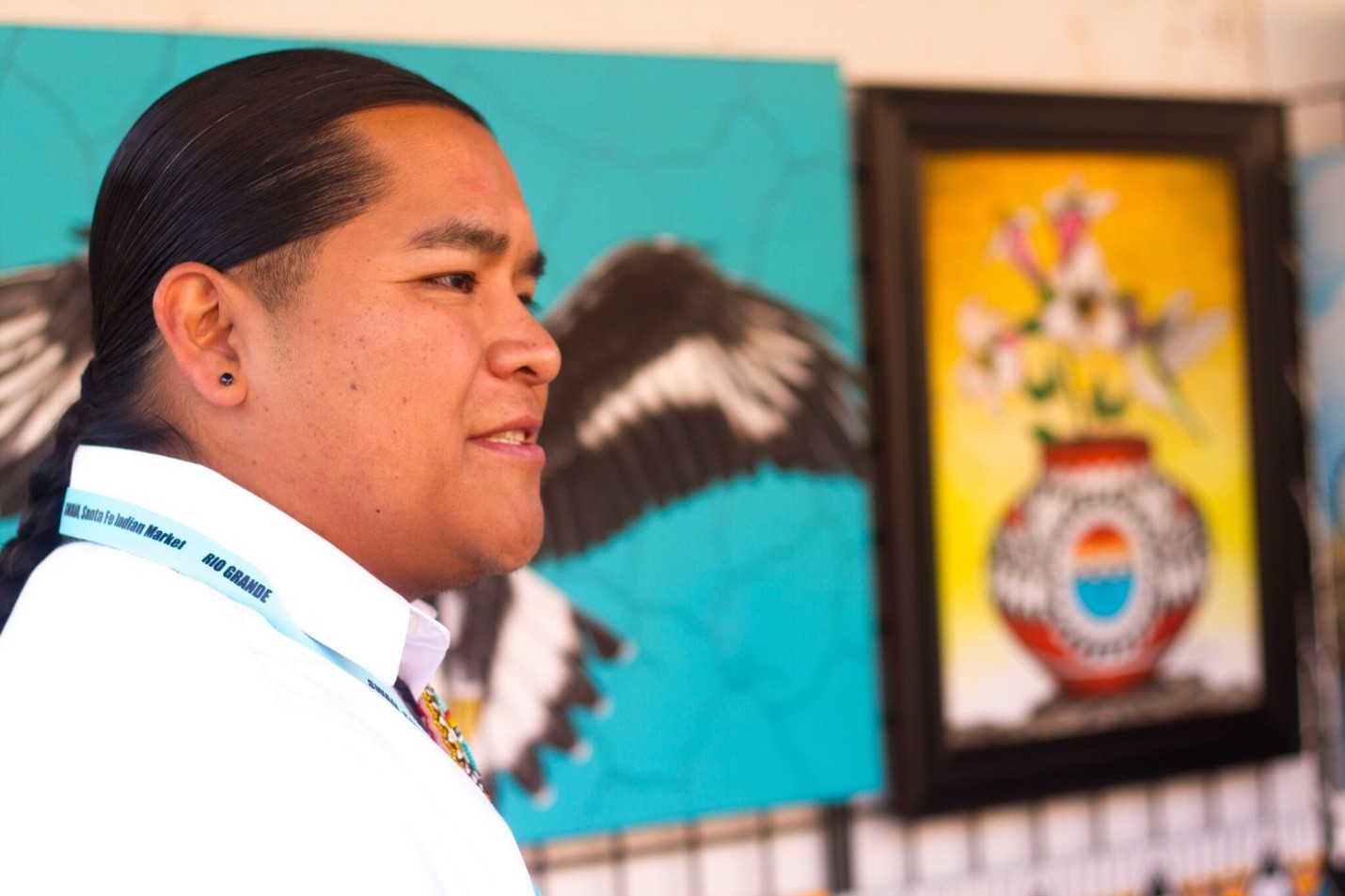
In this blog, Aarick Mack, Joelnell Momberg, Athena Archuleta, and Taralynn Chesley, Native youth leaders at the TYAC, share about the Council, the meaning of this year’s conference theme in the context of the Council’s work, the lessons learned, and the opportunities as they look ahead and in expanding youth-led work.
To learn more about the NIHB’s Tribal Youth Advisory Council, please visit the NIHB’s website.
To start, could you introduce yourself and share a bit about the work of the Tribal Youth Advisory Council at the National Indian Health Board?
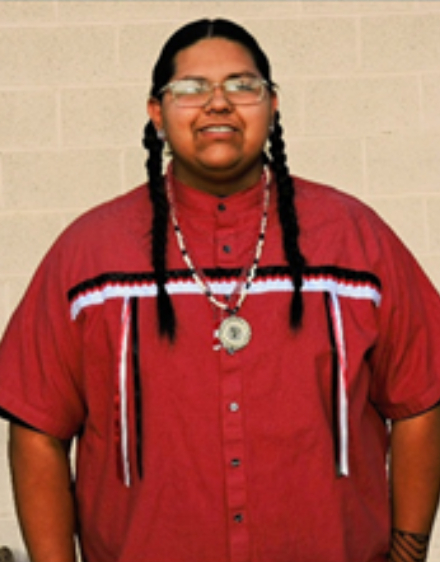
Aarick: Kamdothk Mtiivk, Ṣamai Cu’ig, Kamaduu. Nyip ‘iim mulyk Aarick Mack. I am Xalychidom Piipaash, Piipaash, Pipa Aha Macav, and Akimel O’odham. I come from Salt River, Arizona, just east of Phoenix, Arizona. Through the Tribal Youth Advisory Council, we have been working together to create a social media campaign that uplifts young Indigenous voices.
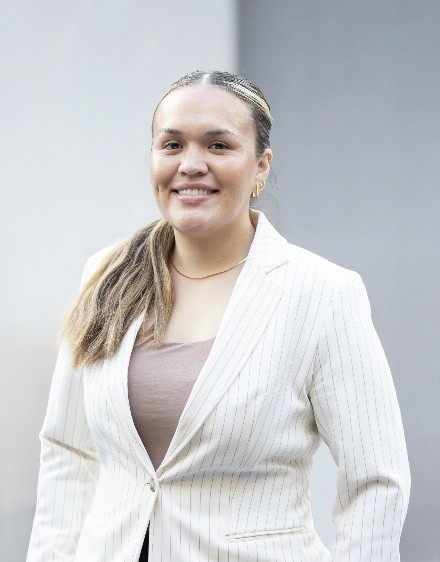
Joelnell: My name is Joelnell Momberg. I live and work at the Rocky Boy Reservation and am also from Browning, Montana. I am a member of the Blackfeet Tribe. Through TYAC, we have been coming together to have meaningful conversations around mental health and collaborate on a social media campaign for our Native youth. Our goal is to strengthen social connections, while raising awareness of the challenges Native youth face, while uplifting their voices, resilience, and potential.
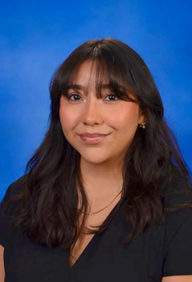
Athena: Hello, my name is Athena Archuleta, and I come from the Pueblo of Tesuque located about 10 minutes north of Santa Fe, New Mexico. The work that we have put in so far has involved having discussions about how current policies and environments impact the health and well-being of Indigenous youth. From what the other members have shared, we have been working on a social media campaign, and my role is to create visually appealing materials with messages that will encourage conversation around topics such as substance abuse, domestic violence, and mental health.
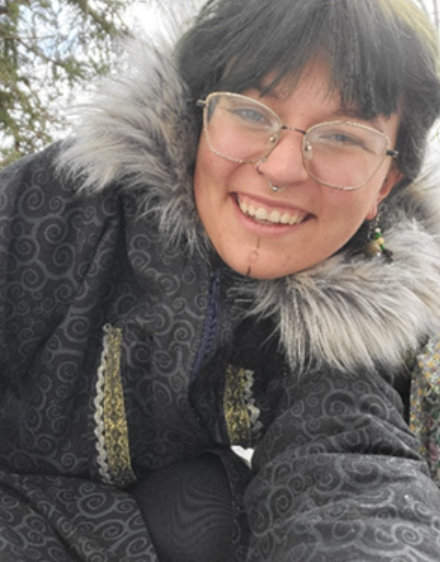
Taralynn: Cama’i gui Agluryaq-Calista Agnacuungaq Imurniralria cali Taralynn Custer, South Dakota Mi sullianga cali Palmer, Alaska mi sullianga. My name is Taralynn and I’m from Port Heiden, Alaska. I am currently living in South Dakota for an Indigenous health program. In TYAC, we have been reflecting on the complexities of mental health and how that intertwines with prevention. We have been crafting social media campaigns to get the word out!
This year’s AMCHP theme is “The Power of Connection.” When you think about the council’s work and the communities you represent, what does that phrase mean to you?
Joelnell: The “The Power of Connection” speaks directly to who we are as Native people. Connection is essential to our identity, and it grounds us in who we are and where we come from. We are connected to our families, our communities, our cultures, and our ways of life. These connections have always been at the heart of how we live, care for one another, and support future generations. In the council’s work and in the communities we represent, honoring and strengthening these connections is what allows us to heal, grow, and thrive together.
The Indigenous Experience Subcommittee is highlighting examples of strong partnerships in MCH. How does partnership show up in your council’s work? (What sparked this effort, and what community needs or hopes guide it?)
Taralynn: We come from different regions of what is now known as the United States, and through technology we have been able to connect around shared issues facing Indigenous people nationwide. Because we are all youth, communication comes easily and we are able to collaborate without the barriers that can come from generational gaps. While our generation continues to be impacted by generational trauma, we experience it in a different context. We now have to worry about how technology affects us and how connection is dwindling. All of us are fueled by being a good ancestor. We are motivated to enact change, support healing, and create a cultural shift. We want the world to be safe for future generations and for people to heal from the trauma they have faced.
What have you learned through being part of the council—about relationship-building, uplifting community priorities, or supporting Native youth and families?
Aarick: It takes passion and willingness to see something come to fruition. Each of the members of the TYAC brings a good heart and intention to our meetings. We come in this way so that we can have good discussions on challenges that our communities face. We share our thoughts and opinions to see that we all share a connection and help build that relationship, it’s all about keeping an open mind with one another so when we may not agree on something we still support one another, which is thankfully not much of a problem. This being a youth advisory board is vital for us to always support our fellow peers.
What opportunities are you most excited about? And/or what accomplishments from the council’s work are you most proud of so far?
Athena: I am excited for our social media campaign to make a meaningful impact in Native communities across the country. Sharing our work on a national platform allows our messages to reach a broader audience more quickly. As a member of my local youth organization, I am also looking forward to bringing what I’ve learned through TYAC back to my community. I hope to inspire youth and young adults to have interests in Indigenous health policies and to take advantage of networking opportunities that empower them to be the voices of their communities. I am very proud to see many like-minded individuals come together from various Indigenous nations unite to collaborate on a large-scale project aimed at shifting the health narrative around Native health.
What practices help trusted adults engage youth in ways that feel respectful, meaningful, and grounded in your strengths and expertise?
Athena: Active listening on both ends is essential to building trust and mutual respect between two parties. Despite differences in age and experience, adults who genuinely listen and acknowledge youth perspectives and their experiences create meaningful spaces where youth feel valued and understood. Trusted adults can offer much guidance, while allowing young people to lead and create. This cycle of continuous learning, collaboration, and respect will result in stronger and more impactful outcomes.
Looking ahead, what are your hopes for continuing or expanding youth-led work in mental health and domestic violence prevention in your communities?
Taralynn: There is a public misconception that youth do not see what is going on in the world. Whether that’s for themselves or others. But youth see, we know what is going on. For us as a Council we want to be able to speak out on these events and issues because the more voices people hear, the more likely change will happen. These issues are very prevalent where I come from, which is Alaska. We have some of the highest rates of intimate partner violence and mental health nationwide. Our statistics are scary, but this is not only a thing in my Indigenous community, but in most Native communities. We need to work on prevention in our areas because the more we do the more higher ups will hear us and take us seriously.
Is there anything you’d like AMCHP attendees to reflect on as they consider what authentic partnership with Native youth could look like in their own states or communities?
Joelnell: I’d encourage attendees to reflect on how Native youth can be more intentionally involved. Listening with humility, honoring culture and identity, and creating space for Native youth to lead. It’s about trust, respect, and long-term commitment.
Aarick: We, as youth, are still young in our adulthood and are thankful that AMCHP gave us the space and time to convene with one another. It is our hope that we make these connections and impacts so that AMCHP attendees are willing to work with the Native youth of their area more often.
